

 See My Latest Article on HelloNation
What Should Local Families Know About Nutrition and Oral Health?
Choosing everyday foods has a real impact on dental health, especially for families in Ocoee, FL where diet patterns often reflect a busy, active lifestyle. A balanced diet that nourishes the body can also help prevent tooth decay, strengthen enamel, and support healthy gums. Local residents benefit most by understanding not just what foods are helpful, but also how everyday choices—like hydration needs during hot months or lunch options for schoolchildren—affect the health of their smile.
Which Foods Support Strong Teeth and Gums?
Foods high in certain vitamins and minerals promote healthy teeth and gums by rebuilding enamel, fighting bacteria, and reducing inflammation. In the Ocoee area, many families can include staples like:
- Dairy products: Cheese, milk, and unsweetened yogurt provide calcium and phosphates, strengthening teeth and balancing acids in the mouth.
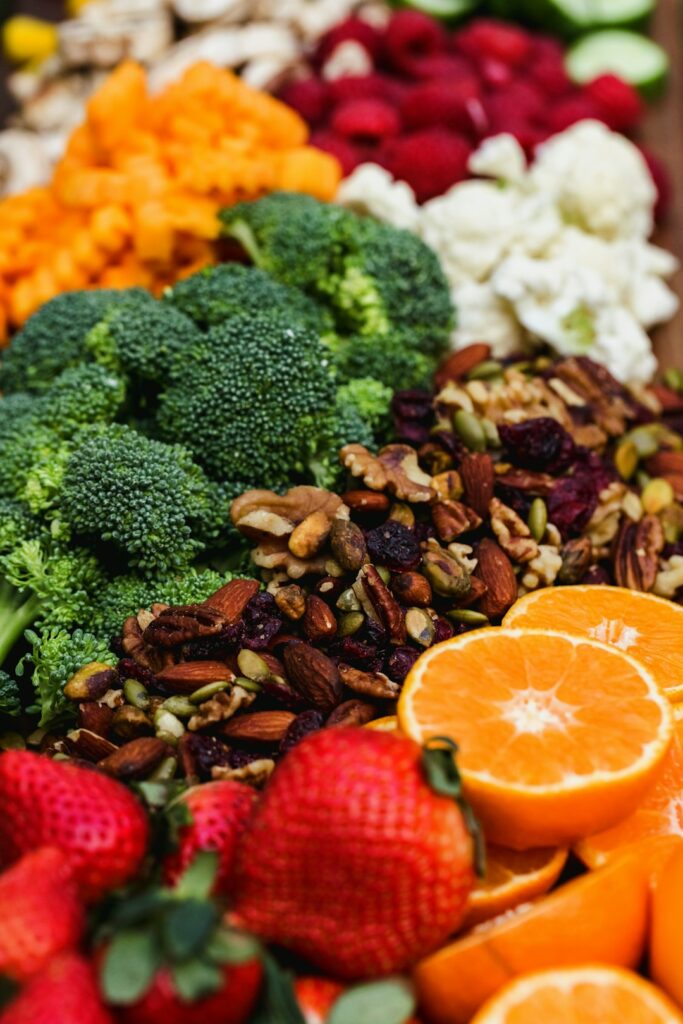
- Fresh fruits and vegetables: Crunchy options like apples, celery, and carrots physically clean teeth and increase saliva, which neutralizes acids.
- Leafy greens: Spinach, kale, and collards offer calcium, fiber, and folic acid, often lacking in processed foods.
- Lean proteins: Eggs, fish, and chicken supply phosphorus and protein, both important for enamel.
- Nuts and seeds: Almonds and sunflower seeds add healthy fats and trace minerals.
Drinking fluoridated tap water—especially in hot months when outdoor activity increases fluid needs—also helps protect against cavities and supports hygiene between brushings.
Are Certain Fruits or Vegetables Better Than Others for Oral Health?
Yes, the texture and sugar content of produce make a difference. Crunchy, watery fruits and vegetables (like apples, cucumbers, and celery) help clean teeth and dilute sugars; softer or stickier fruits (like bananas or dried fruit) are nutritious but can linger on teeth, so it’s useful to follow them with water or include them in meals rather than as stand-alone snacks.
Dark, leafy greens (kale, collards, spinach) and orange vegetables (carrots, sweet potatoes) are especially helpful for providing folic acid and vitamin A, which aid gum health.
How Do Sugary and Acidic Foods Affect Teeth in Area Households?
Frequent snacking on foods high in added sugar—like sweetened drinks, fruit juices, or pastries—feeds cavity-causing bacteria. Acids from sodas, energy drinks, and citrus-based snacks can wear down enamel. In Ocoee, with frequent use of convenience foods, it’s common for children and adults to consume sugary or acidic drinks in hot weather. Sipping water after consuming these items, or limiting them to meal times, helps reduce the harm.
Key points to remember:
- Sweets, juice, and sodas are tougher on teeth when consumed repeatedly throughout the day, rather than with meals.
- Sugar-free gum can stimulate saliva, helping to protect teeth between brushings.
- Frequent snacking, regardless of the food, gives bacteria more time to produce acids.
Do Local Climate and Lifestyle Impact Food Choices for Healthy Smiles?
Ocoee’s warm climate and outdoor lifestyle mean residents often need to hydrate frequently, especially in peak summer. Drinking water not only keeps the body cool but supports oral health by washing away food particles and diluting acids. Relying on bottled or filtered water, which may not contain fluoride, means some area children and adults could benefit from choosing tap water when possible.
Seasonal backyard fruits—like oranges and grapefruits—offer vitamins but are acidic, so it’s beneficial to pair them with other foods and rinse with water afterwards. Packaged snacks and portable sweets, often consumed during youth sports or outdoor events, can stick to teeth longer than homemade alternatives.
What Are Common Misconceptions About Diet and Dental Wellness?
Not all “healthy” foods are completely tooth-friendly. For example:
- Dried fruit and granola bars often contain hidden sugars and cling to teeth.
- Sugar-free or diet drinks can still be acidic, risking enamel erosion.
- Juicing removes fibrous content, concentrating sugars from many fruits into a single serving.

Some families may believe flavored waters or vitamin drinks are safe choices, but they often include acids and sweeteners that impact teeth. Reading labels and balancing these drinks with plain water is a practical approach for everyday routines.
Are There Simple Food Swaps Locals Can Try at Home?
Small changes in shopping or meal prep can support family dental health:
- Choose whole fruits over juice or fruit snacks.
- Replace crackers or chips with carrot sticks, cucumber slices, or cheese cubes.
- Pack water or milk for school and sports events instead of sweetened beverages.
- Add leafy greens to wraps, smoothies, and salads for a daily mineral boost.
When preparing meals, including protein, fiber, and dairy helps regulate mouth acidity and supports longer-lasting fullness—reducing between-meal nibbling.
How Can Families Make Healthier Food Choices More Convenient?
Many families in the community are busy and rely on simple, easy-to-carry snacks. To make tooth-friendly choices practical:
- Keep cut-up veggies, cheese, and nuts prepped in the fridge.
- Prepare homemade trail mixes without added sugars.
- Freeze fruit slices for refreshing, hydrating snacks.
- Choose whole-grain breads and snacks that provide fiber and reduce stickiness.
Habits like packing water bottles and encouraging kids to rinse their mouth with water after meals or snacks help maintain oral health during the day.
What Do Local Households Overlook About Oral Health and Food?
Practical details that are often missed include the role of saliva—drinking enough water, eating foods that encourage chewing, and choosing fibrous snacks all boost saliva, which protects against cavities. Busy households sometimes overlook timing: grouping sweets or fruit with main meals reduces “acid attacks” on enamel compared to snacking throughout the day.
For families new to the area, understanding that local tap water is typically fluoridated can help them make informed choices for both drinking and brushing routines.