

 See My Latest Article on HelloNation
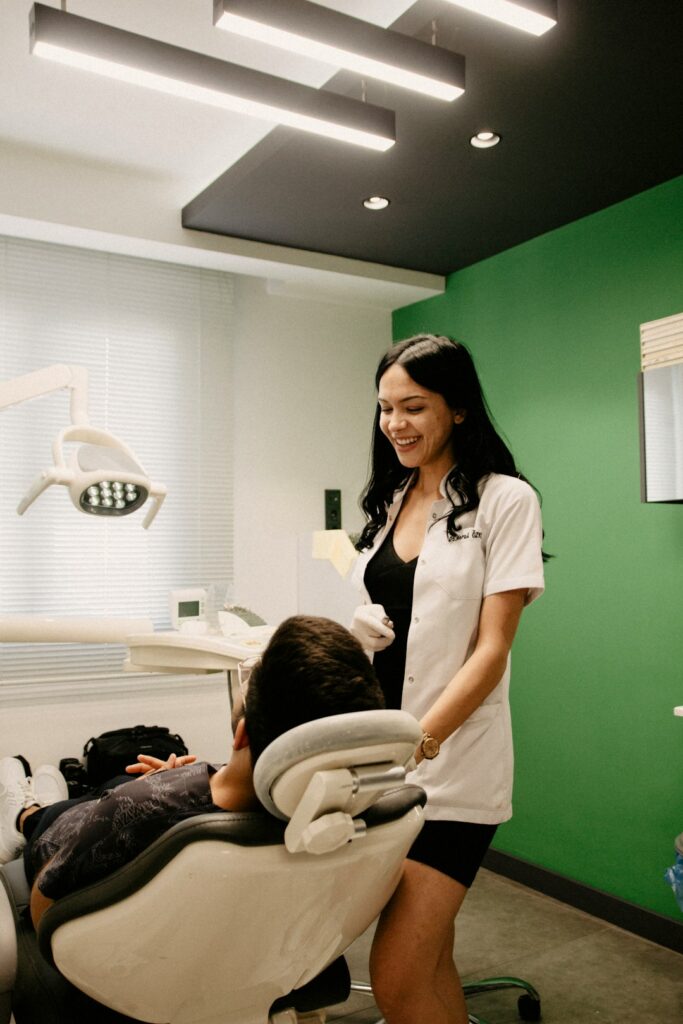
Do Most People in Ocoee, FL Need to See the Dentist Twice a Year?
For many people, a dental check-up every six months is recommended, but this guideline is not strict for everyone. The twice-yearly routine exists because it catches small problems early and fits most healthy adults and children. However, individual dental needs vary based on age, health, lifestyle, and risk factors common among local families.
In Ocoee, seasonal allergies, humid summers, and family lifestyles can influence oral health. School-age children, adults, and seniors may all have slightly different dental needs. Twice-yearly visits offer a reasonable balance for most families, ensuring regular cleanings and timely identification of issues such as cavities and gum disease. But some local residents may actually benefit from more or fewer visits, depending on their situation.
Who Might Need More Frequent Dental Visits?
People at higher risk for dental problems should generally visit more often—sometimes every three or four months. This group includes:
- Children with frequent cavities
- Those with ongoing orthodontic treatment
- Pregnant women (since hormones may increase gum sensitivity)
- Adults with chronic health issues like diabetes
- Smokers or tobacco users
- Anyone with a history of gum disease
The higher humidity and summer heat in Ocoee can also affect dry mouth and hydration, which are factors that might make more frequent dental check-ins wise for some individuals.
Can Some People Go Longer Between Visits?
A small number of residents with consistently strong dental health, low risk factors, and reliable home care routines might safely stretch to an annual visit. Dentists may advise this for adults who:
- Have never had cavities or gum disease
- Brush and floss carefully every day
- Eat a tooth-friendly diet low in sugar and acids
- Do not smoke or use tobacco
However, even those who rarely encounter oral health problems still benefit from professional monitoring. Many issues, such as early gum disease or oral cancer, are not easy to spot at home.
Are Dental Exams and Cleanings Always Needed Together?
Regular professional cleanings help remove plaque and tartar buildup that daily brushing cannot address. Dental exams, meanwhile, catch problems earlier than many people realize. In most cases, these happen in the same visit, but sometimes needs differ. For example, a teenager with well-aligned, low-risk teeth might only require a basic exam, while an adult with a history of gum disease could need a more extensive cleaning.
Dental providers in Ocoee often adapt care based on each family’s seasonal activities. For instance, sports injuries in children may prompt additional visits in spring or fall, while summer treats at local events can increase cavity risks.
What Happens If You Skip Regular Dental Visits?
Delaying dental care is common, especially when life gets busy or insurance changes. However, skipping check-ups can let problems progress unnoticed. This often means small concerns—like minor cavities or early gum inflammation—become more difficult (and expensive) to treat later.
For families in Ocoee, unchecked dental issues can lead to:
- Pain and infection
- Missed school or workdays due to discomfort
- Higher treatment costs due to complex procedures
- Negative impacts on overall health (since oral bacteria may influence heart and metabolic health)

Routine visits help keep these risks low, maintaining better health and stability for area households.
How Can Local Lifestyle Affect Dental Visit Frequency?
Community habits and environment matter. In Ocoee, access to sports, fresh local produce, and outdoor living encourages healthy routines for many families—but it can also mean more opportunities for dental injuries, more consumption of sugary drinks on hot days, or “forgetting” flossing while traveling.
Local water is fluoridated, which helps protect teeth, but dietary habits, medication side-effects (which may cause dry mouth), and seasonal allergies can all have subtle impacts on oral health. Residents who recognize recurring issues or changes in their dental health during certain months may need to adjust the timing of their dental visits accordingly.
Does Dental Anxiety Affect How Often People Visit?
Fear or anxiety about dental care can make it tempting to postpone visits. This is a common concern for all ages, leading many in the community to delay seeking care until pain or a visible problem occurs. However, routine visits are usually quick, much less invasive than treatment for developed dental issues, and can be managed with gentle, clear explanations from care teams.
Families who experience dental anxiety might benefit from discussing worries with their provider beforehand and scheduling early morning or quieter times, making check-ups less stressful and easier to keep on track.
What Questions Should You Ask at Your Next Dental Visit?
Understanding personal risk factors and how often to return for care starts with a good conversation during a routine check-up. Helpful questions to ask include:
- Are there any early warning signs I’m missing at home?
- How is my gum health compared to my last visit?
- What snacks or habits in my household could be improved?
- Should someone in my family come back sooner than six months?
- Are there any new oral care products or routines you’d recommend for our area’s climate?
Asking questions tailored to your household’s routines and health history ensures that care can be adapted as your needs (and those of your family members) change over time.