

 See My Latest Article on HelloNation
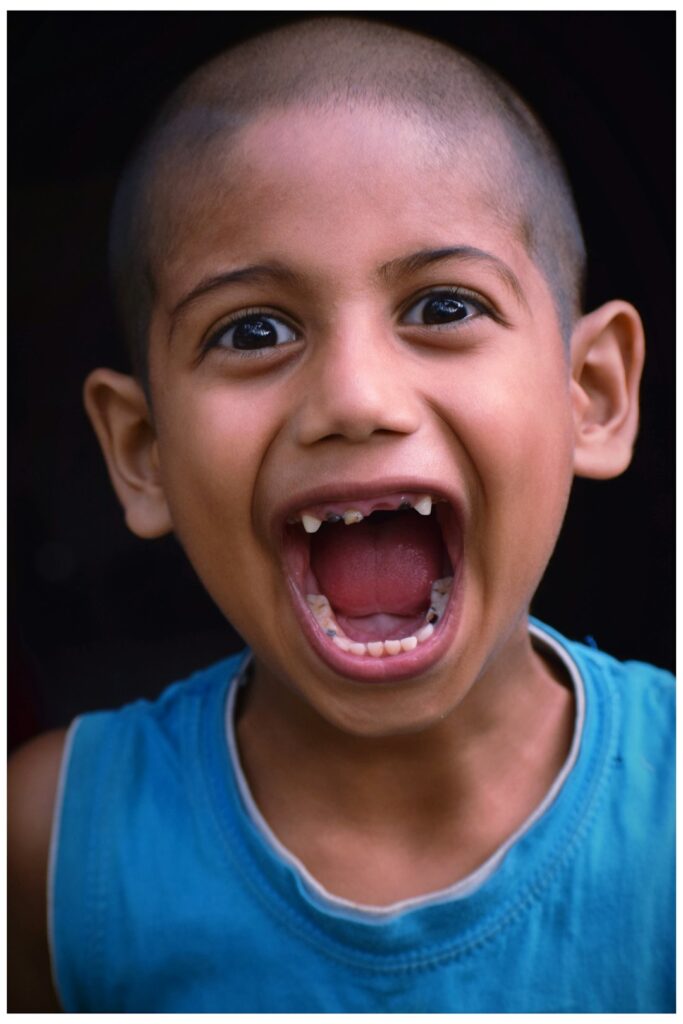
What Should Parents Do First If a Child Chips a Tooth in Ocoee, FL?
If a child chips a tooth, calmly check for pain, bleeding, or visible injuries, then gather any broken pieces and determine if there are immediate risks. While chipped teeth are common with active children throughout the city, most minor chips are not emergencies. However, the situation should be assessed to decide whether urgent action is needed.
In Ocoee households, children may chip teeth during backyard play, school activities, or on playground equipment—uneven surfaces or hard objects are frequent culprits. Begin by rinsing the child’s mouth with water to clean the area. If there is bleeding, gently press a clean cloth or gauze on the spot until it stops. Save any tooth fragments in a cup of milk or saliva in case they are needed later for evaluation.
Monitor for:
- Pain, sensitivity, or swelling
- Lip or gum lacerations
- Change in the child’s behavior (avoiding cold drinks, crying, trouble chewing)
If the chip is small, your child is comfortable, and there is no ongoing bleeding, home observation for a short time is appropriate. For larger chips, sharp edges, or severe pain, further evaluation is recommended.
How Serious Is a Chipped Tooth for Children?
Most chipped teeth in children are minor, but some may lead to discomfort or complications if left untreated. Chips that expose the yellow dentin layer or the tooth’s nerve (pulp) can increase sensitivity and risk of infection.
Factors that help determine severity include:
- The size/depth of the chip
- Whether the chip reaches the inner tooth layers
- Location (front teeth chips are more obvious but less likely to cause pain than molar damage)
Local parents sometimes overlook tiny chips, especially if their child is not in pain. However, even small chips with sharp edges may irritate the cheek or tongue and should be smoothed out to avoid injury.
Should You Give Pain Relief or Ice for a Chipped Tooth?
Simple pain management can be helpful for children after a minor dental injury, especially if there is mild discomfort or swelling. A cold pack applied externally to the cheek (not directly inside the mouth) for 10-15 minutes can minimize swelling. Use a thin cloth to prevent skin irritation.
Age-appropriate over-the-counter pain relief is appropriate if recommended on the product’s label. Avoid placing aspirin or pain relievers directly on the gums or teeth, as it can cause burns to oral tissues. Stick to soft foods and room-temperature drinks until discomfort passes.
Is It Safe for Children to Eat or Drink After a Tooth Chip?
After a tooth is chipped, most children can drink water and eat soft, non-irritating foods. Avoid hard, crunchy, sticky, or very hot or cold foods that might aggravate sensitivity or injure the tissue further. Good choices include yogurt, applesauce, scrambled eggs, and mashed potatoes.
Removing food debris with gentle brushing and plain water rinsing helps prevent infection. Children might resist brushing near the chipped tooth due to tenderness—use a soft brush and be gentle around the area.
When Should You Seek Urgent Care for a Chipped Tooth?
Immediate evaluation is recommended if:
- There is uncontrolled bleeding that doesn’t stop after a few minutes
- The child cannot close their mouth comfortably
- Swelling is rapidly increasing or the child has trouble breathing
- The tooth is cracked vertically or very loose (risk of complete loss)
- A large portion of the tooth is missing or dark streaks/bleeding are visible inside the tooth

For minor chips with no pain, waiting for routine evaluation is reasonable, especially if the incident happens during off-hours or on a weekend when non-emergency options may be limited in the city.
What If a Baby Tooth Is Chipped Instead of a Permanent Tooth?
Chipped baby teeth are common due to the active lifestyles of young children. While these teeth eventually fall out, untreated damage can sometimes cause pain, difficulty eating, or affect the underlying adult teeth. Local parents frequently wonder if chipped baby teeth matter—simple, pain-free chips typically require monitoring and possibly smoothing out sharp edges; larger chips or cases involving pain, discoloration, or infection risk should be professionally assessed.
Stabilization at home includes the same first steps: rinse, comfort the child, and avoid rough foods. Baby teeth that become loose, dark, or infected (swelling, pus, or fever) require prompt attention to avoid spreading infection.
Are There Common Misconceptions About Chipped Teeth in Children?
Parents sometimes assume that small chips do not need attention, or that only visible discomfort matters. However:
- Hidden tooth nerve exposure may not cause immediate pain but can later result in sensitivity or infection.
- Waiting weeks before addressing even minor chips may allow further breakage or decay.
- Home “patches” (like gluing fragments) are never recommended and may harm oral tissues or hide underlying issues.
Open, nonjudgmental local discussions—whether with other parents or adult caregivers—can help clear up uncertainty. Routine checkups are also an opportunity to ask about minor chips or imperfections.
How Can Ocoee Families Reduce the Risk of Chipped Teeth in Children?
While some accidents are unavoidable, a few habits commonly practiced by area families can reduce injury risks:
- Encouraging the use of mouthguards during local league sports or backyard games
- Ensuring outdoor play areas are free of hard, uneven surfaces
- Teaching children not to use teeth to open packaging or bite non-food items (ice, pens, fingernails)
- Checking play equipment for loose, protruding hardware that can cause slips or falls
Additionally, keeping up with regular dental checkups and prompt care when any oral injuries occur helps maintain long-term oral health.