

 See My Latest Article on HelloNation
Do baby teeth really matter?
Yes. Baby teeth, also called primary teeth, help children eat, speak, develop normally, and maintain the space needed for permanent teeth. Although they eventually fall out, problems in primary teeth can affect a child’s comfort, nutrition, sleep, learning, and future dental development. ([mouthhealthy.org](https://www.mouthhealthy.org/all-topics-a-z/baby-teeth.aspx/?utm_source=openai))
Children usually have 20 primary teeth. The first teeth often appear around 6 months of age, and most children have all 20 by about age 3. These teeth remain useful for several years while the jaw grows and permanent teeth develop beneath them. ([mouthhealthy.org](https://www.mouthhealthy.org/all-topics-a-z/baby-teeth.aspx/?utm_source=openai))
What jobs do baby teeth perform?
Primary teeth are not temporary decorations. They perform several practical functions during early childhood.
- Chewing: Healthy teeth help children break down food and eat a varied diet.
- Speech: Teeth and the surrounding structures help children form certain sounds clearly.
- Space holding: Primary teeth guide the position of permanent teeth as they develop.
- Jaw and facial development: Teeth contribute to normal growth and the shape of the developing mouth.
- Comfort and confidence: Pain-free teeth make it easier for children to sleep, play, learn, and participate socially.
A child with untreated decay may avoid certain foods, chew on one side, wake during the night, or become irritable. The effects may be subtle at first, but dental pain can interfere with everyday activities and school performance. ([cdc.gov](https://www.cdc.gov/oral-health/prevention/oral-health-tips-for-children.html?CDC_AAref_Val=https%3A%2F%2Fwww.cdc.gov%2Foralhealth%2Fbasics%2Fchildrens-oral-health%2Findex.html%3Futm_source%3Dfeatureimpact&utm_source=openai))
Can a cavity in a baby tooth affect an adult tooth?
It can. A cavity does not automatically damage the permanent tooth underneath, but severe decay or infection in a primary tooth may affect the developing successor. Infection, early tooth loss, and inflammation can create complications that last beyond the life of the baby tooth. ([mouthhealthy.org](https://www.mouthhealthy.org/all-topics-a-z/baby-teeth.aspx/?utm_source=openai))
Untreated decay can also spread to nearby teeth and cause pain or infection. Children may not describe a toothache in the same way adults do. Changes such as avoiding cold foods, chewing differently, covering the mouth, or resisting brushing may be early clues.
The idea that “the tooth will fall out anyway” is therefore misleading. A primary tooth may need to function for years before its normal replacement time.
Why does early tooth loss matter?
Primary teeth help reserve space for permanent teeth. If a baby tooth is lost too early, neighboring teeth may shift into the opening. The permanent tooth may then have less room to erupt or may come in at an unusual angle. In some situations, a space maintainer is considered to preserve the opening until the permanent tooth is ready. ([mouthhealthy.org](https://www.mouthhealthy.org/all-topics-a-z/space-maintainers?utm_source=openai))
Not every prematurely lost tooth requires a space maintainer. The decision depends on factors such as:
- Which tooth was lost
- The child’s age
- The expected eruption time of the permanent tooth
- Whether neighboring teeth have already moved
- The child’s overall dental development
A lost tooth after an accident, a loose tooth that appears unusually early, or a tooth removed because of decay deserves timely evaluation. The right response is not always treatment, but the situation should not be ignored.
How common are cavities in young children?
Cavities are common in childhood, including among children who are otherwise healthy. CDC surveillance data found that about 11% of children ages 2 to 5 had at least one untreated cavity in a primary tooth. By ages 6 to 8, the proportion was nearly one in five. ([cdc.gov](https://cdc.gov/oral-health/php/2024-oral-health-surveillance-report/selected-findings.html?utm_source=openai))
Risk can be higher when teeth are frequently exposed to sugary drinks, juice, sweet snacks, or bedtime bottles containing anything other than water. The frequency of exposure matters because cavity-causing bacteria produce acids whenever they use sugars from food and drinks.
Busy household routines can make prevention harder. In Ocoee, families may be balancing preschool, school transportation, outdoor activities, and changing schedules. A practical routine is often more sustainable than relying on occasional “perfect” brushing.
What should daily care look like?
Care begins before the first tooth appears. Wiping an infant’s gums with a clean, damp cloth can remove residue and establish a regular mouth-care routine. Once a tooth erupts, use a small, soft toothbrush twice a day. ([cdc.gov](https://www.cdc.gov/oral-health/prevention/oral-health-tips-for-children.html?CDC_AAref_Val=https%3A%2F%2Fwww.cdc.gov%2Foralhealth%2Fbasics%2Fchildrens-oral-health%2Findex.html%3Futm_source%3Dfeatureimpact&utm_source=openai))
For toothpaste:
- Children younger than 3 generally use a smear about the size of a grain of rice.
- Children ages 3 to 6 generally use no more than a pea-sized amount.
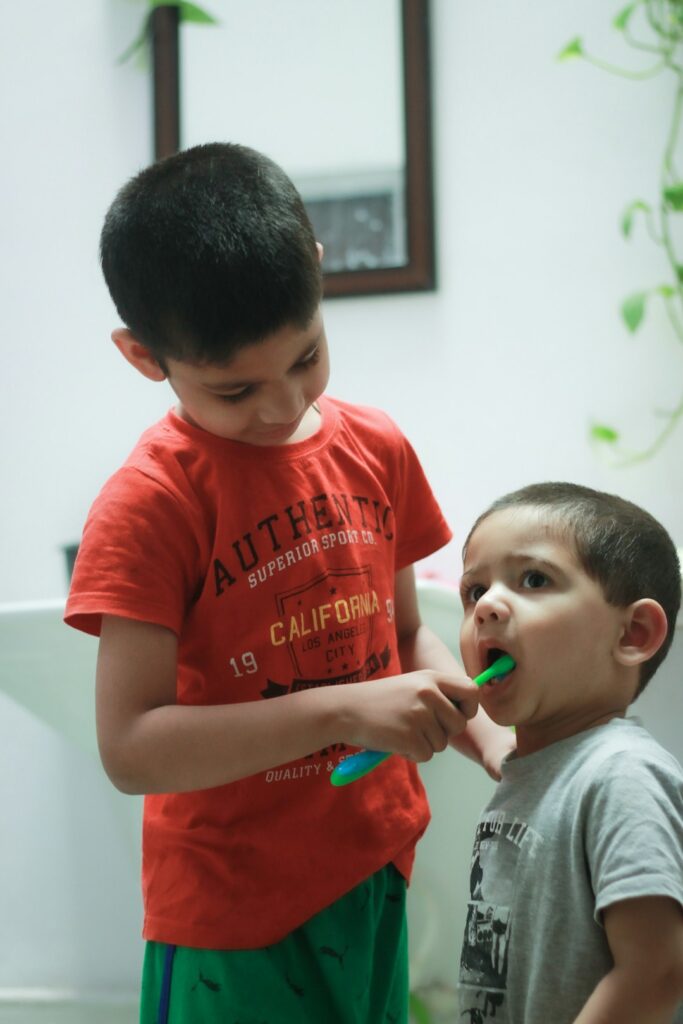
- An adult should supervise brushing and encourage the child to spit rather than swallow toothpaste.

For children younger than 2, caregivers should ask a dentist or physician about fluoride toothpaste and other fluoride sources. Fluoride helps strengthen enamel, but young children can swallow toothpaste easily, so the amount matters. ([cdc.gov](https://www.cdc.gov/oral-health/prevention/oral-health-tips-for-children.html?CDC_AAref_Val=https%3A%2F%2Fwww.cdc.gov%2Foralhealth%2Fbasics%2Fchildrens-oral-health%2Findex.html%3Futm_source%3Dfeatureimpact&utm_source=openai))
When two teeth touch, cleaning between them becomes necessary. Young children usually lack the coordination to brush and floss effectively on their own, even if they want to do it independently. Caregivers typically need to provide hands-on help for several years.
What about snacks, drinks, and Florida heat?
Plain water is generally the most tooth-friendly drink between meals. Warm weather and outdoor activity can lead children to drink more often, but frequent sipping of juice, sports drinks, sweet tea, or flavored beverages gives teeth repeated exposure to sugar and acid.
A helpful household pattern is to offer water freely and keep sweet drinks with meals rather than allowing repeated sipping throughout the day. Sticky snacks can also remain on tooth surfaces longer than foods that are quickly cleared by saliva.
Tap-water fluoride levels can vary by community and household water source. Families who use well water, filtered water, bottled water, or a combination of sources may want to ask whether the child is receiving an appropriate amount of fluoride. Fluoride supplements should not be started without individualized guidance.
When should a child first have a dental visit?
The first dental visit should occur by the first birthday, or after the first tooth appears if that happens earlier. Early visits are designed to identify risk, discuss feeding and brushing habits, assess development, and help caregivers understand what is normal. ([cdc.gov](https://www.cdc.gov/oral-health/prevention/oral-health-tips-for-children.html?CDC_AAref_Val=https%3A%2F%2Fwww.cdc.gov%2Foralhealth%2Fbasics%2Fchildrens-oral-health%2Findex.html%3Futm_source%3Dfeatureimpact&utm_source=openai))
A child should be evaluated sooner if there is:
- Facial swelling
- A visible hole or dark area in a tooth
- Persistent mouth pain
- Fever associated with dental symptoms
- Bleeding or swelling around a tooth
- Difficulty eating or sleeping
- A tooth injured in a fall or other accident
Facial swelling, trouble breathing or swallowing, or rapidly worsening pain requires urgent medical attention.
Is prevention worth the effort if teeth will be replaced?
Yes. Protecting primary teeth supports comfort today and helps guide healthy development until permanent teeth are ready. Prevention also gives children practice with brushing, flossing, dental visits, and balanced food habits before the permanent teeth have been in the mouth for long.
Baby teeth are temporary, but their role is not insignificant. They are working teeth that support a child’s health during a formative stage—and they deserve care for as long as they are present.