

 See My Latest Article on HelloNation
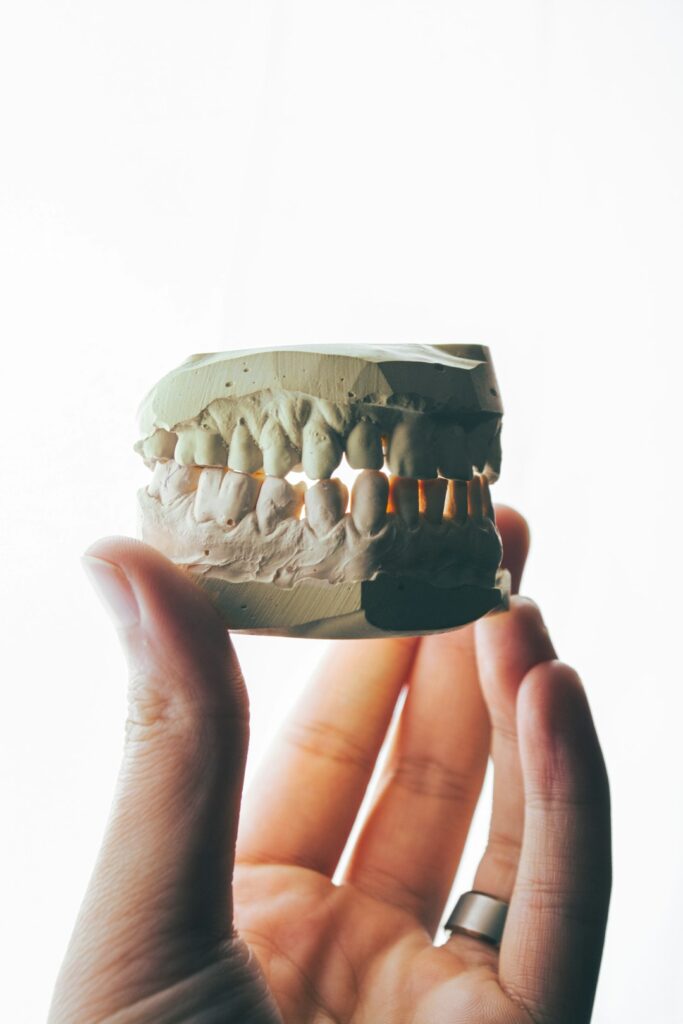
Teeth whitening can lighten many types of discoloration, but it does not correct every cause of a darker smile. The safest approach depends on whether stains are on the tooth’s surface, within the tooth, or related to an existing dental problem.
Does teeth whitening work for everyone?
No. Whitening is most predictable on natural teeth with surface stains or certain types of age-related discoloration. It cannot change the color of fillings, crowns, veneers, bridges, implants, or other tooth-colored restorations.
Common sources of surface staining include:
- Coffee, tea, cola, red wine, and deeply colored foods
- Tobacco or nicotine exposure
- Plaque that has hardened into tartar
- Normal buildup of stain over time
Whitening agents, usually hydrogen peroxide or carbamide peroxide, break down some of the molecules that make teeth look darker. They do not “paint” the teeth white, and they cannot restore enamel that has been worn away.
A tooth that looks gray, brown, or darker than the teeth beside it may have discoloration inside the tooth. This can result from an old injury, certain medications taken during tooth development, decay, or changes in the nerve. These cases may respond unevenly to ordinary whitening and should be evaluated before treatment.
Is whitening safe for tooth enamel?
Used as directed, established whitening products are generally considered safe for teeth and gums. The most common short-term effects are tooth sensitivity and irritation along the gumline.
Sensitivity may be more likely when:
- The whitening product has a higher peroxide concentration
- The gel remains on the teeth longer than directed
- Whitening is repeated too frequently
- Teeth already have cracks, worn enamel, exposed roots, or untreated decay
- A tray does not fit properly and allows gel to contact the gums
Whitening does not mean that stronger or longer treatment will produce a better result. Excessive use can increase discomfort and may irritate the soft tissues. Household substances such as lemon juice, vinegar, baking soda mixtures, or abrasive powders are not reliable substitutes for tested whitening products. Acidic or abrasive materials can wear or roughen the tooth surface.
In Ocoee, seasonal heat often makes cold drinks especially appealing. If cold water or iced beverages already cause sharp discomfort, that sensitivity is worth understanding before beginning a whitening routine.
Why do teeth become sensitive during whitening?
Peroxide can temporarily move through enamel and dentin toward the inner portion of the tooth. This may trigger sensitivity to cold, air, or touch. The discomfort is usually temporary, but intense or persistent pain is not something to ignore.
Helpful measures may include:
- Following the product’s time and frequency instructions exactly
- Taking breaks between whitening sessions
- Using a toothpaste formulated for sensitivity
- Avoiding very hot, cold, acidic, or highly sugary foods if they trigger discomfort
- Keeping whitening gel away from the gums
If pain continues after whitening stops, occurs spontaneously, or affects one particular tooth, the cause may be a cavity, crack, defective restoration, gum recession, or another condition unrelated to routine whitening.
Will whitening change fillings, crowns, or veneers?
No. Whitening affects natural tooth structure, but most dental restorations do not lighten in the same way. This can create a color mismatch, particularly when a visible front tooth contains a filling, crown, veneer, or bonding material.
For that reason, whitening before replacing a visible restoration may produce a more predictable shade match. Whitening afterward could leave the natural teeth lighter than the restoration. The timing depends on the condition and location of the restoration, as well as whether the tooth is healthy.
A dark line near an old filling or crown should not automatically be treated as a cosmetic stain. It may represent leakage, decay, gum changes, or wear around the restoration.
Are whitening toothpastes and strips effective?

They can be, but their effects are limited and vary by product. Whitening toothpastes mainly help remove some surface stains through mild abrasives or low-level whitening ingredients. They generally do not produce the same change as peroxide-based strips or tray systems.
Whitening strips can lighten natural teeth when used consistently and correctly. However, a strip may not cover every tooth evenly, and it can irritate the gums if it overlaps them. Products carrying an independent safety and effectiveness seal may provide more useful guidance than products making dramatic claims without clear instructions.
A toothpaste labeled “whitening” is not necessarily stronger or safer than every other toothpaste. Its main benefit may be stain removal rather than a major change in the underlying tooth color.
Is professional whitening always better than whitening at home?
Not automatically. In-office treatment may produce a faster change, while supervised take-home trays can allow more gradual whitening and better control over application. Over-the-counter products may be adequate for mild surface staining when the teeth and gums are healthy.
The most appropriate option depends on:
- The cause of discoloration
- Existing sensitivity
- The condition of the enamel and gums
- Dental restorations
- The desired degree and timing of color change
- Whether decay, cracks, or gum disease are present
A dental examination before whitening is particularly sensible when discoloration is new, uneven, limited to one tooth, or accompanied by pain. Whitening should not be used to mask symptoms that may require treatment.
How long do whitening results last?
Whitening is not permanent. Teeth gradually pick up new stains from foods, beverages, tobacco, and normal aging. Results may last months or longer depending on habits and the original cause of discoloration.
Maintenance does not necessarily mean continuous bleaching. Brushing twice daily with fluoride toothpaste, cleaning between teeth, drinking water after staining beverages, and avoiding tobacco can help preserve the result. Rinsing with water after coffee, tea, or acidic drinks may reduce the time pigments remain in contact with the teeth.
Natural tooth color also varies from person to person. A healthy smile does not need to be paper-white, and very bright results may look less natural or highlight differences between teeth and restorations.
Can whitening trays be used for sleep apnea therapy?
Whitening trays and sleep apnea appliances are different devices and should not be interchanged. A mandibular advancement device, sometimes called a mandibular advancement appliance, is designed to hold the lower jaw forward during sleep. This can help keep the airway open for some adults with snoring or obstructive sleep apnea.
Oral appliance therapy requires screening, fitting, adjustment, and follow-up. A whitening tray is not designed to reposition the jaw, protect the airway, or treat sleep-disordered breathing. Whitening gel should not be placed in a sleep apnea appliance unless the device’s specific instructions expressly allow it, because the materials, fit, and intended use are different.
People using oral appliance therapy should also keep the appliance clean and report persistent jaw pain, bite changes, tooth movement, or gum irritation. Sleep apnea symptoms such as loud snoring, witnessed pauses in breathing, morning headaches, or excessive daytime sleepiness deserve medical evaluation rather than self-treatment with a mouthguard.
The central fact about whitening is simple: it can brighten healthy natural teeth, but it cannot replace diagnosis, repair damaged teeth, or recolor dental restorations. A gradual, instruction-based approach is usually more comfortable and more predictable than repeated aggressive bleaching.