

 See My Latest Article on HelloNation
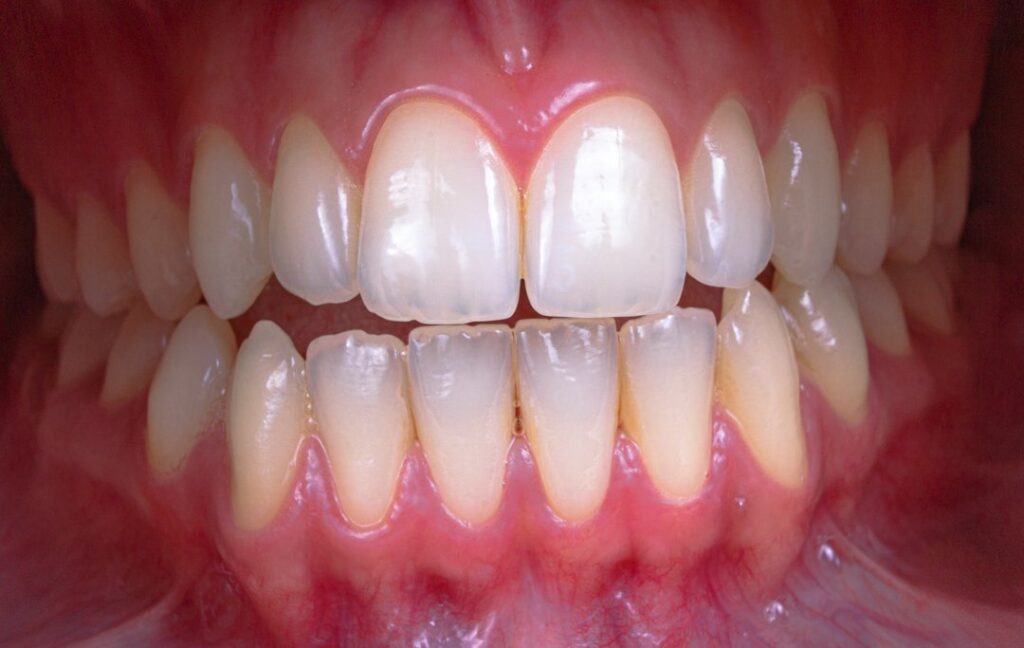
Early tooth decay can sometimes be stopped or reversed before a true cavity forms. Once enamel has developed a hole or the decay has reached deeper layers of the tooth, the damage generally cannot grow back and may require a filling or other treatment.
What does “reversing a cavity” actually mean?
A cavity develops through a gradual process called demineralization. Bacteria in dental plaque use sugars and starches from food and drinks to produce acids. Those acids pull minerals from enamel, the hard outer layer of the tooth.
At first, the enamel may lose minerals without breaking open. This stage is often called an early, noncavitated lesion. It may appear as:
- A chalky white spot
- A dull or rough area on the enamel
- A faint brown area, depending on the location and age of the lesion
- An area of mineral loss found during a dental examination or on an X-ray
At this stage, saliva and fluoride can help replace lost minerals. “Reversal” usually means that the decay process has stopped and the enamel has become harder and more resistant. It does not always mean the tooth will look completely unchanged.
Can a white spot on a tooth go away?
Sometimes. A white spot may become less noticeable as the enamel remineralizes, but appearance alone does not show whether the decay process is active. Some white spots remain visible even after they have become inactive.
White spots can also have causes other than tooth decay, including enamel development differences, fluorosis, or changes associated with orthodontic treatment. A trained dental examination is needed to distinguish among these possibilities.
For residents of Ocoee, seasonal habits can affect the process. Frequent sipping of sweetened iced drinks, sports beverages, flavored coffees, or juice exposes teeth to repeated acid attacks. Warm weather may also encourage more frequent drinks throughout the day. The total number of daily exposures often matters as much as the amount consumed at one time.
How can early tooth decay be stopped?
The goal is to reduce acid attacks while increasing the tooth’s access to protective minerals. Helpful steps include:
- Brush twice daily with fluoride toothpaste. Spit after brushing rather than rinsing heavily with water, unless a dental professional has given different instructions.
- Clean between the teeth daily, because early decay can develop where a toothbrush does not reach.
- Drink water between meals, especially after sweet or acidic beverages.
- Keep sugary and starchy foods with meals when possible instead of grazing on them throughout the day.
- Consider sugar-free gum after meals if chewing is safe and comfortable. It can stimulate saliva, which naturally helps protect enamel.
- Follow individualized fluoride recommendations, particularly for children, people with dry mouth, or those with a history of frequent cavities.
Fluoride helps strengthen enamel, slow mineral loss, and support remineralization. It may come from toothpaste, drinking water, professional applications, or prescribed products. Extra fluoride should not be used casually, especially for young children, because the amount and method should match age and cavity risk.
What if there is already a hole in the tooth?
A true hole in enamel is not usually reversible. Enamel does not regenerate the way skin or bone can. Fluoride may slow the decay around a small cavity, but it cannot rebuild the missing tooth structure.
A cavity can also progress into dentin, the softer layer beneath enamel. Decay that reaches dentin is more likely to cause sensitivity to cold, sweets, or pressure. If bacteria reach the pulp, which contains the tooth’s nerves and blood supply, pain may become persistent or spontaneous, and more extensive treatment may be needed.
Not every cavity causes symptoms. A painless tooth can still have active decay, particularly between teeth or beneath the chewing surface. Waiting for pain is therefore not a reliable way to judge whether a lesion is improving.
Can early decay be treated without a filling?
Sometimes, depending on the lesion’s depth, location, activity, and ability to remain clean. Early noncavitated areas may be monitored or managed with fluoride, improved home care, dietary changes, or protective treatments.
A dentist may also recommend a sealant for certain grooves and pits, particularly on back teeth that are difficult to clean. In selected cases, a caries-arresting medication may be considered. These approaches are different from rebuilding a tooth with a filling; they aim to stop or stabilize the disease process while preserving as much natural tooth structure as possible.
A lesion that is visibly open, difficult to keep clean, rapidly enlarging, or located near the gumline may need a restorative procedure instead. The appropriate choice cannot be determined from a photograph alone.
Does diet matter more than brushing?
Both matter, but frequent exposure to sugar and starch is often overlooked. Each exposure can create an acidic period in the mouth. Someone who brushes well but repeatedly sips sweetened beverages for several hours may still have a high risk of mineral loss.

Acidic drinks without added sugar can also contribute to enamel erosion. Erosion is different from decay because acids in the food or drink directly wear away enamel rather than being produced by plaque bacteria. The two processes can occur together.
A practical pattern is to drink water between meals, avoid holding acidic beverages in the mouth, and use a straw when appropriate for drinks that may contribute to erosion. Brushing immediately after a strongly acidic exposure may be uncomfortable for softened enamel; rinsing with water and waiting before brushing can be gentler.
What local factors can affect cavity risk?
Households in Ocoee may use a mixture of tap water, filtered water, and bottled water. Filtration systems differ in how much fluoride they remove, and bottled water does not always contain enough fluoride to provide the same protection as fluoridated community water.
People who drink mostly bottled or highly filtered water may want to know whether their usual water source contains fluoride. This is particularly relevant for children whose teeth are still developing and for adults with frequent cavities. Fluoride supplements should only be used according to individualized medical or dental guidance.
Dry mouth is another overlooked risk. It can be related to medications, dehydration, mouth breathing, certain health conditions, or sleeping with the mouth open. Less saliva means fewer natural minerals and less protection against acids.
Is sleep apnea therapy related to cavities?
It can be. Mandibular advancement devices, a form of oral appliance therapy, hold the lower jaw or tongue forward during sleep to help keep the airway open in some people with snoring or obstructive sleep apnea. These devices are not appropriate for everyone and should be selected and monitored after a proper sleep-related evaluation.
An oral appliance may contribute to dry mouth, excess saliva, gum irritation, bite changes, or difficulty cleaning if it does not fit properly or is not maintained. Dry mouth can raise cavity risk, while nighttime mouth breathing may increase discomfort and oral dryness. People using a mandibular advancement device should follow its cleaning instructions and report new tooth sensitivity, changes in how the bite feels, or persistent dryness.
Sleep apnea therapy should not be stopped because of dental concerns without discussing the issue with the appropriate clinician. Oral health and airway treatment can often be managed together, but both require periodic review.
When should a tooth be evaluated?
An evaluation is especially important when there is:
- A visible hole, darkening area, or rough edge
- Sensitivity that lingers after cold or sweets
- Pain with biting
- Food repeatedly catching in one location
- Swelling, a bad taste, or a gum bump
- A white spot that is spreading or changing
- A child who has frequent sweet drinks, nighttime bottles, or visible enamel changes
Early decay may be manageable without drilling, but that option depends on catching the process before the enamel surface collapses. Once a cavity forms, treatment focuses on removing or sealing damaged structure and preventing further progression.