

 See My Latest Article on HelloNation
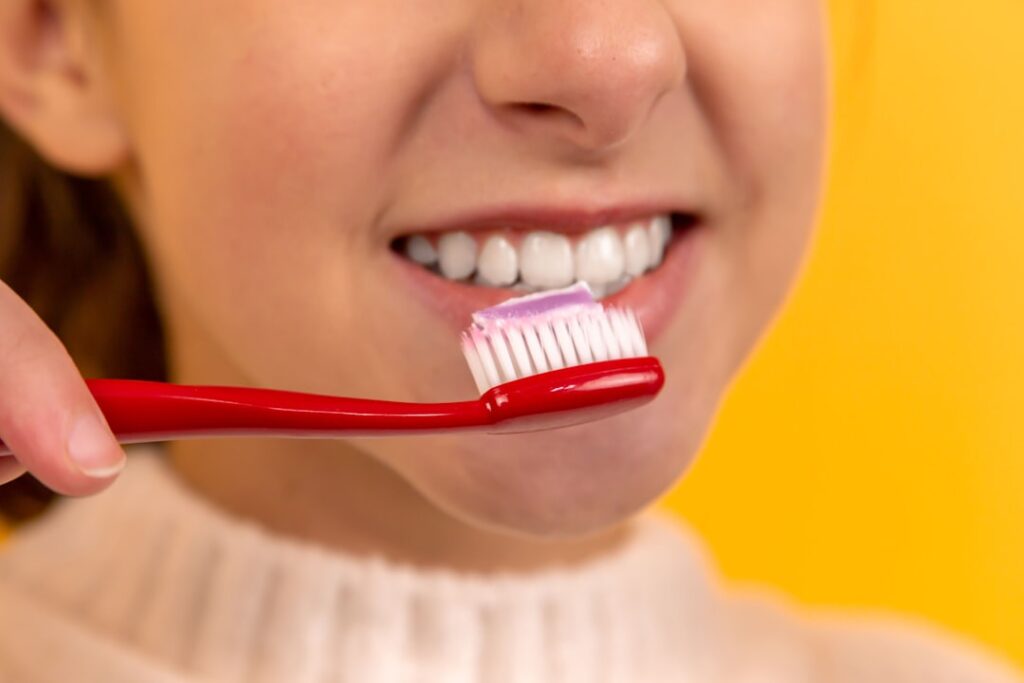
Do Electric Toothbrushes Clean Better Than Manual Ones?
Most evidence shows that electric toothbrushes can remove more plaque and reduce gum inflammation compared to manual toothbrushes when both are used properly. Electric models, especially those with oscillating or sonic technology, tend to provide more consistent brushing motions. However, manual toothbrushes still do an effective job when used with proper technique and the right amount of time. For area families, the choice may depend more on your comfort, brushing habits, and personal preference rather than any dramatic difference in overall cleaning power.
Are Electric Toothbrushes Easier to Use for Children or Older Adults?
The automated brushing motion and built-in timers in electric toothbrushes make them a good choice for children who are learning to brush independently, as well as for adults who may have arthritis or trouble with fine motor skills. The handle on most electric brushes is also easier to grip and maneuver for people with limited hand strength. Many local households find that children are more motivated to brush long enough and reach all tooth surfaces when using an electric model.
Manual brushes, on the other hand, are lightweight, familiar, and don’t require charging or batteries. They work well for people who prefer simplicity. Young children being supervised by adults and individuals with excellent brushing technique may do just as well with a manual option.
How Do Area Water and Power Outages Affect Toothbrush Choices?
With the possibility of summer storms and occasional power outages in Ocoee, local residents sometimes ask about the need for an electric toothbrush that requires regular charging or batteries. While an electric model holds a charge for several days, manual toothbrushes are always ready to use, making them a practical backup option during storm season or travel.
Also, households using well water or those who rely on water filtration systems may consider the need to rinse electric brush heads thoroughly to prevent mineral build-up. Both types of brushes can be affected by local water hardness, but regular rinsing and replacing brush heads every three months can help.
Is There a Difference in Cost Over Time?
Manual toothbrushes usually cost less upfront and do not require any power source. Electric toothbrushes have a higher initial price, and brush head replacements are more expensive than buying standard manual brushes. Over several years, the total cost of each option depends on how often you replace brush heads and whether you purchase standard or luxury models.
Budget-conscious families sometimes choose manual brushes for most members and reserve an electric toothbrush for those who need extra help with brushing technique or have specific concerns, such as braces or limited dexterity.
Does Toothbrush Type Matter More Than Brushing Technique?
No matter which type of toothbrush you use, brushing technique and consistency are more important for oral health than the brush itself. Both electric and manual models need to be used twice per day for about two minutes each time. A soft-bristled brush is generally recommended by dental professionals for both types.
It’s common for both adults and children to miss hard-to-reach areas, rush through brushing, or use too much pressure, all of which can reduce the benefits of either toothbrush. Brushing should be gentle, use a fluoride toothpaste, and reach all surfaces of the teeth—including along the gumline and behind the back molars.
What Local Lifestyle Factors Might Influence Choice?
The fast pace of family life in Ocoee and changing summer or school-year routines can impact oral care habits. Electric toothbrushes with built-in timers or fun features sometimes make it easier for children and teens to brush for the recommended amount of time. They may also support daily routines for shift workers or caregivers who assist aging relatives.
Space and storage in local homes may also influence the decision. Manual toothbrushes don’t require extra counter space or outlets, making them easy to store in small bathrooms or travel bags. Electric toothbrushes require a charging base or fresh batteries, which might be less convenient in shared households or older homes with fewer outlets.
What Are Some Common Misconceptions?

- Some believe electric toothbrushes guarantee perfect results, but technique still matters.
- Manual toothbrushes are not outdated or less effective; they remain a solid choice for many.
- Harder bristles do not clean better than soft bristles and may actually damage gums.
- Electric toothbrushes do not replace the need for flossing or regular dental checkups.
Which Toothbrush Is Recommended for Braces, Dental Work, or Sensitive Gums?
Electric toothbrushes with gentle brushing modes can be helpful for those with braces, implants, or sensitive gum tissue. The small, round heads make it easier to clean around wires and brackets or dental restorations. That said, a soft-bristled manual brush with a compact head and careful technique also works well for these needs and may be preferred by those who want more control.
If you have ongoing gum tenderness, tooth sensitivity, or a history of dental work, consider testing both types of brushes to see which feels most comfortable. Replacing your brush head regularly and brushing gently are more important than the technology itself.
What Should Local Families Keep in Mind When Deciding?
Both electric and manual toothbrushes can support healthy smiles in the community. While electric brushes offer convenience and may help with thorough cleaning, a manual brush suits those who value low cost, portability, and simplicity. Prioritize the features that match your family’s needs, and focus on consistent, gentle daily brushing and flossing. It’s a personal choice—what matters most is what helps you and your loved ones keep up with good oral hygiene habits.