

 See My Latest Article on HelloNation
What Should You Do First When a Dental Emergency Happens?
For Ocoee, FL residents experiencing an unexpected dental problem, the initial steps at home can make a lasting difference. Assess the severity: check for bleeding, swelling, pain level, or visible injury, and stay calm. Rinse your mouth gently with lukewarm water and inspect the affected area. If significant bleeding, difficulty breathing, or severe injury occurs, seek immediate medical attention, as some situations go beyond home care.
Most household dental emergencies—like a knocked-out tooth, lost filling, or sudden toothache—can be stabilized with basic supplies before visiting a professional for follow-up care.
How Do You Handle a Knocked-Out Tooth?
For adults, a knocked-out permanent tooth requires fast and careful action. Gently pick up the tooth by the crown (avoiding the root) and rinse it with water—do not scrub. If possible, place the tooth back in its socket, holding it in place with a clean cloth or gauze. If reinsertion isn’t feasible, store the tooth in a container with milk or the injured person’s saliva, as either helps preserve root cells better than water.
Children in local households sometimes sustain dental injuries during sports or playing outdoors, so it helps to keep a small clean container and some saline solution, milk, or similar liquid on hand. Avoid wrapping the tooth in tissue or letting it dry out.
What Should Be Done for a Chipped or Broken Tooth?
A cracked or chipped tooth isn’t always a dire emergency but can become painful or worsen if neglected. Rinse the mouth with warm water and apply a cold compress to the outside of the cheek to minimize swelling. Try to save any pieces of the tooth and store them in a clean, moist cloth. Over-the-counter pain relievers like acetaminophen can help if needed. Avoid biting down or chewing with the affected tooth to prevent additional damage.
Ocoee’s mix of older and newer housing may mean there are sometimes slips on hard tile floors or falls on playground equipment—common causes of chipped teeth in local families.
How Should You Respond to Sudden Tooth Pain?
Sudden toothache is one of the most common dental complaints in area households. Start by rinsing the mouth with warm water and gently flossing to remove any food debris between teeth. If swelling is present, apply a cold compress, but never use heat, which can increase inflammation. Avoid placing aspirin or any medication directly on the tooth or gums, as this can burn tissue.
Try to note any patterns, such as pain when biting, sensitivity to temperature, or swelling. Share this information with a dental provider later, as it helps with diagnosis. If pain is severe or accompanied by fever, prompt medical attention is needed, as this could signal infection.
What If a Crown or Filling Falls Out?
If a filling or crown comes loose, keep the area clean and avoid sticky or hard foods. Temporary dental cement—available at many drugstores—can be used to re-secure a crown until permanent repairs can be made. If no cement is handy, dabbing a little toothpaste on the inside of the crown can help keep it in place for a short time.
Ocoee residents sometimes experience this issue with older dental work, especially after eating sticky snacks or hard foods commonly enjoyed at local gatherings.
How Do You Manage a Bitten Tongue, Lip, or Cheek?
Minor injuries inside the mouth are common in both adults and children. Rinse the area gently with cool water to keep it clean and apply a clean cloth to stop any bleeding. Use a cold compress or ice wrapped in a thin towel on the outside of the cheek or lip to limit swelling and discomfort. Most minor mouth injuries heal quickly, but if bleeding doesn’t stop after 10–15 minutes of pressure or the wound is large, more urgent intervention is needed.
How Can Ocoee Residents Prepare Their Homes for Dental Emergencies?
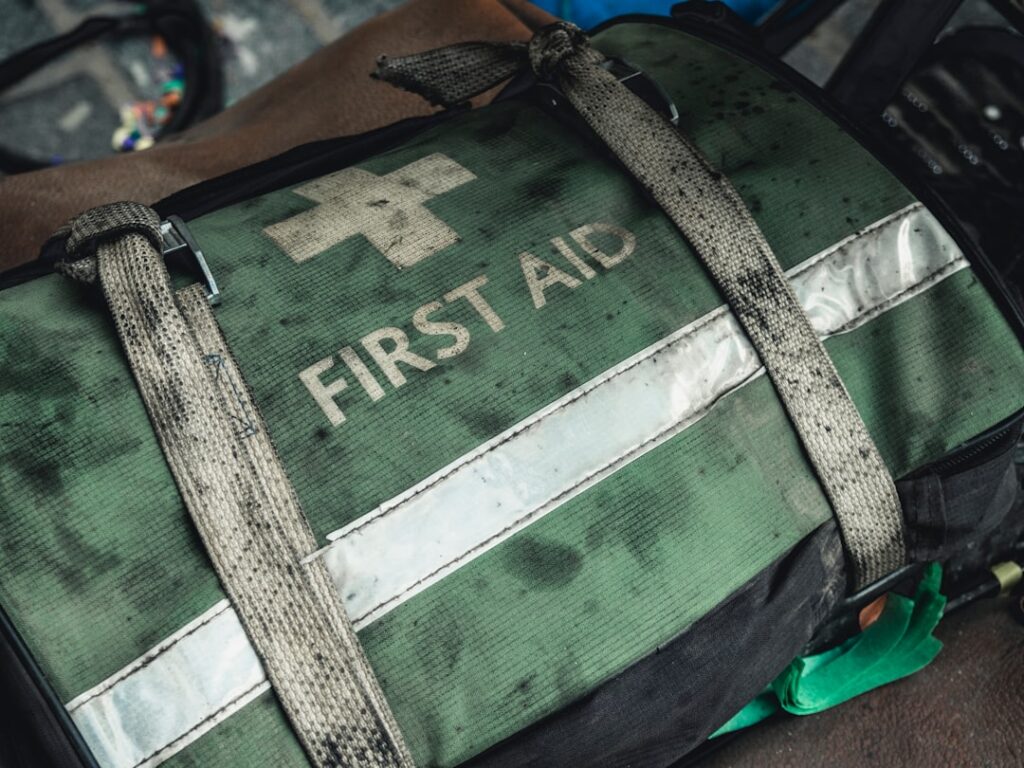
Simple preparation ensures households can respond quickly to dental emergencies. Keep a small kit in an accessible place with:
- Clean gauze or cotton rolls
- A small, clean container (with a lid)
- Over-the-counter dental cement or temporary filling material
- Saline solution or a small bottle of milk
- A cold pack
- Acetaminophen or ibuprofen (always follow dosage instructions)
- The contact details for local medical resources

Knowledge of local urgent care clinic hours and route can also be helpful, as traffic and weather in the area can affect emergency access.
Are There Risks With DIY Dental Treatments?
While it’s reassuring to stabilize dental issues at home, avoid trying to permanently repair, extract, or alter teeth on your own. Using sharp objects, glues, or household adhesives creates new risks. If signs of infection, persistent pain, major swelling, or injury to the jaw occur, it’s time for professional help.
What Common Misconceptions Might Affect Local Households?
Some myths circulate about home remedies. A few worth correcting include:
- Placing an aspirin directly on the gum relieves pain (it can actually burn the tissue)
- It’s safe to wait days for assessment if pain subsides temporarily (underlying issues may still exist)
- Saltwater rinses are a cure-all (they help but do not resolve severe conditions)
Ocoee residents commonly rely on home remedies for initial relief, but a cautious, informed approach prevents complications.