

 See My Latest Article on HelloNation
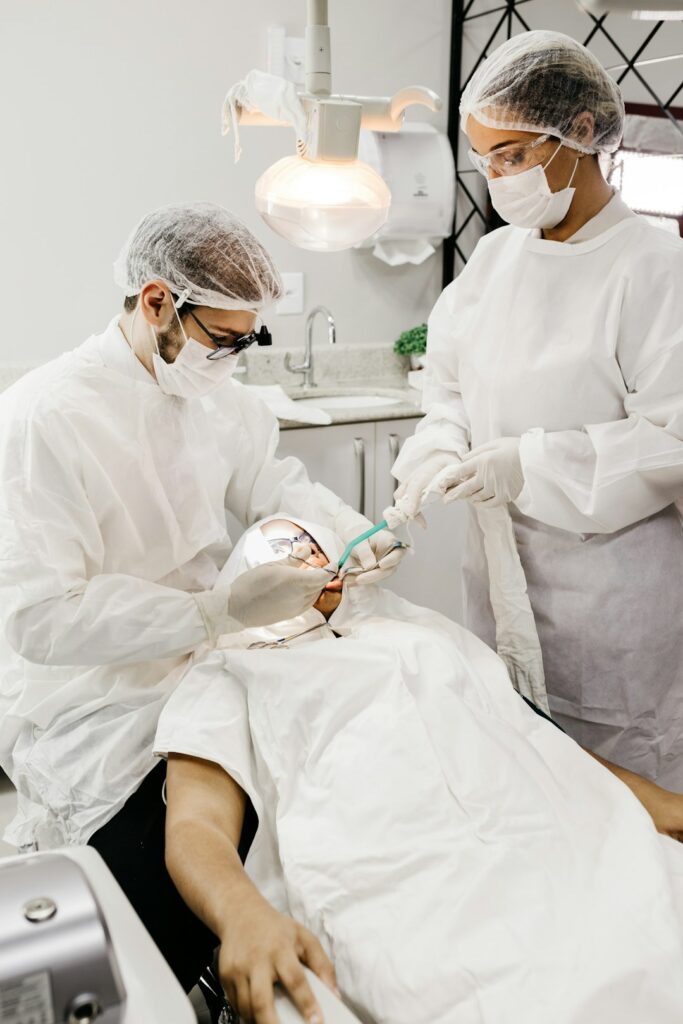
A first dental cleaning is usually a straightforward visit that combines a health-history review, an examination, and professional removal of plaque and tartar. For residents of Ocoee, FL, knowing what will happen can make the visit more comfortable, especially if it has been several years since the last cleaning or dental care has caused anxiety in the past.
What happens before the cleaning begins?
The visit usually starts with paperwork and a conversation about your health. The dental team may ask about:
- Current medications and supplements
- Allergies or medical conditions
- Pregnancy or possible pregnancy
- Tooth sensitivity, bleeding gums, jaw pain, or bad breath
- Previous dental treatment
- Dental anxiety or special communication needs
Bring an updated medication list if possible. Health conditions such as diabetes, heart disease, immune disorders, or a history of radiation treatment can affect oral care and should be shared.
The first visit may take longer than a routine maintenance cleaning because the dental team is establishing a baseline. Depending on your needs, the appointment may include dental X-rays, although X-rays are not automatically required for every patient or every visit.
Will the dentist examine my teeth and gums?
Yes. A cleaning and an examination are related but separate parts of the visit. The dentist or dental hygienist may check for visible plaque, tartar, cavities, gum inflammation, worn enamel, cracked teeth, loose restorations, and areas that need closer attention.
Gum measurements may also be taken. This involves gently checking the space between the teeth and gums to look for signs of inflammation or periodontal disease. Some bleeding during this process can occur when the gums are irritated, but bleeding is not considered a reason to skip future cleanings. It is useful information about the condition of the gums.
The examination may also include the tongue, cheeks, roof of the mouth, throat, and neck. These areas are checked for unusual changes, sores, swelling, or other findings that may need follow-up.
How are plaque and tartar removed?
A professional cleaning generally begins with scaling. Small hand instruments or an ultrasonic device may be used to remove tartar, also called calculus, from the teeth. Tartar is hardened plaque that cannot be completely removed with a toothbrush or dental floss after it forms.
You may hear water, suction, or a light scraping sound during this part of the visit. The sensation can vary depending on how much tartar is present and how sensitive the teeth and gums are.
After scaling, the teeth are usually polished with a rotating brush and a mildly abrasive paste. Polishing helps remove some surface stains and leaves the teeth feeling smoother. It does not bleach the teeth or replace professional whitening.
Flossing between the teeth is commonly performed near the end of the cleaning. This also allows the hygienist to identify areas where plaque tends to collect.
Does a first cleaning hurt?
Many people experience little more than pressure, vibration, water, or mild sensitivity. Discomfort is more likely when there is heavy tartar buildup, inflamed gums, exposed tooth roots, or significant sensitivity.
Tell the dental team before or during the cleaning if an area feels painful. Helpful adjustments may include:
- Using lighter pressure
- Taking short breaks
- Changing the instrument or technique
- Applying a topical numbing gel when appropriate
- Rinsing with warmer water
- Cleaning sensitive areas in stages
Dental anxiety is also worth mentioning. Agreeing on a pause signal, such as raising a hand, can make communication easier while the mouth is being treated.
What should you expect afterward?
The teeth may feel unusually smooth, and the gums may be slightly tender for a short time. Minor bleeding can happen when inflamed gums are cleaned, particularly if regular flossing has not been part of the daily routine.
For the rest of the day, many people find it helpful to:

- Brush gently with a soft-bristled toothbrush
- Drink water
- Avoid very hot, cold, spicy, or hard foods if the teeth feel sensitive
- Continue cleaning between the teeth unless instructed otherwise
- Follow any specific guidance given for a deeper periodontal cleaning
Persistent pain, increasing swelling, prolonged bleeding, fever, or a tooth that feels loose is not typical after a routine cleaning and should be evaluated promptly.
What if the cleaning cannot be completed in one visit?
A routine cleaning may not be appropriate if there is extensive tartar, significant gum inflammation, or periodontal disease. In those situations, the teeth may need a deeper cleaning below the gumline, sometimes completed in sections and sometimes with local anesthetic.
This is different from a standard preventive cleaning. The purpose is to remove deposits from areas that cannot be reached comfortably with an ordinary cleaning and to help control infection and inflammation around the gums.
The recommended follow-up interval also varies. Some people maintain good oral health with periodic preventive cleanings, while others need more frequent care because of gum disease, tobacco use, dry mouth, certain medications, diabetes, orthodontic appliances, or a history of rapid tartar buildup. A fixed six-month rule does not fit everyone.
How can local conditions affect oral comfort?
Seasonal allergies and nasal congestion can contribute to mouth breathing, which may leave the mouth feeling dry. Hot weather and outdoor activity can also make hydration habits more noticeable. Dry mouth reduces the natural washing effect of saliva and may increase discomfort, plaque accumulation, or the risk of tooth decay.
Some medications commonly used for allergies, blood pressure, anxiety, or pain can also reduce saliva. Mention ongoing dry-mouth symptoms during the visit. Frequent water intake, sugar-free gum when appropriate, and careful daily plaque removal may be discussed as part of an individualized plan.
Can a first dental visit include sleep apnea questions?
It can, particularly if there are symptoms such as loud snoring, witnessed pauses in breathing, morning headaches, dry mouth upon waking, or excessive daytime sleepiness. A dental visit does not replace a medical evaluation or sleep testing, but oral findings and sleep-related symptoms may prompt further discussion.
For adults diagnosed with obstructive sleep apnea, oral appliance therapy may be one treatment option in selected cases. A mandibular advancement device is a custom-fitted appliance worn during sleep that holds the lower jaw in a forward position to help maintain an open airway. It is not the same as a standard sports mouthguard, and it should be prescribed and monitored as part of coordinated sleep care.
A device may require adjustments and follow-up to evaluate comfort, bite changes, jaw symptoms, and treatment effectiveness. People should not assume that snoring alone proves sleep apnea or that an over-the-counter mouthguard is an equivalent treatment.
What should you bring to the first cleaning?
Bring identification and insurance information if applicable, but the most useful preparation is clinical information. Make a list of medications, allergies, major medical conditions, prior dental problems, and questions about sensitivity or gum bleeding.
It is not necessary to brush aggressively immediately before the visit. Regular brushing and cleaning between the teeth are sufficient. If you have removable dental appliances, retainers, or a sleep appliance, bring them only if the dental team has asked to examine them or if you have concerns about fit, wear, or cleaning.
A first cleaning is not a test that patients pass or fail. Its purpose is to understand the current condition of the teeth and gums, remove deposits that home care cannot remove, and establish practical next steps for maintaining oral health.