

 See My Latest Article on HelloNation
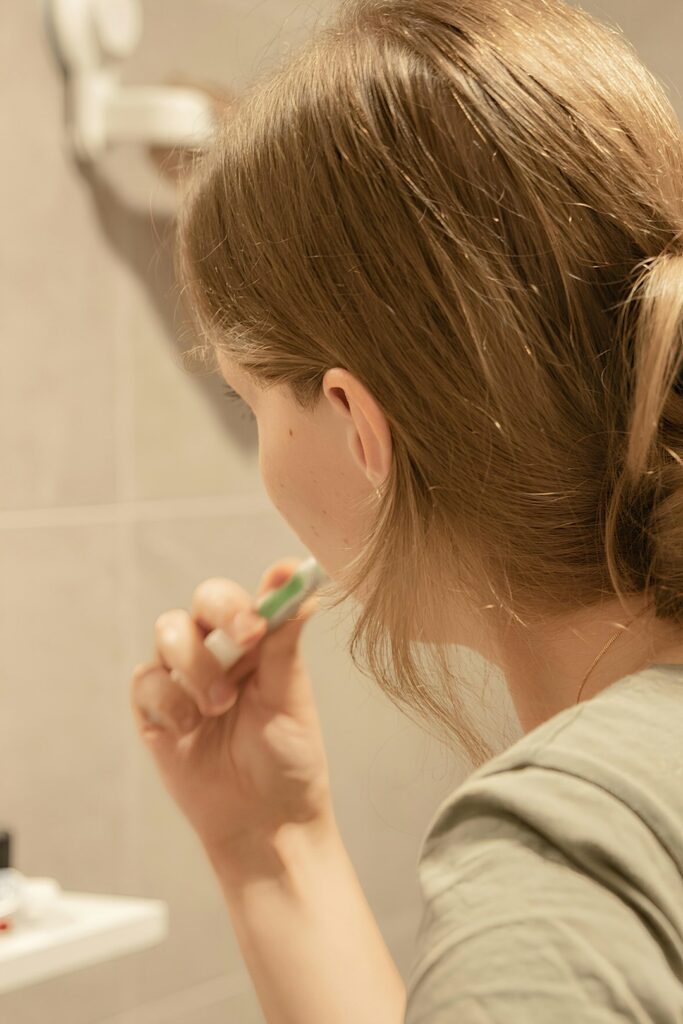
Braces make daily dental care more detailed, but a consistent routine can protect teeth, gums, and the orthodontic appliances themselves. For teens in Ocoee, FL, school schedules, sports, hot weather, and meals eaten away from home can make planning especially useful.
How often should a teen with braces brush?
Teens with braces should brush for about two minutes after meals when possible and always brush carefully before bed. If brushing after lunch is not practical, rinsing thoroughly with water can help remove loose food until brushing is available.
Use a fluoride toothpaste and a soft-bristled toothbrush. Angle the brush above and below each bracket, then clean along the gumline and the chewing surfaces of the teeth. Brushing straight across the front of the brackets often misses plaque hiding around the edges.
An orthodontic or interproximal brush can help clean:
- Between brackets and wires
- Around the gumline
- Under the archwire
- In spaces between crowded teeth
- Around bands, hooks, and other appliances
Whitening toothpaste is usually not the best choice during treatment because it may lighten exposed tooth surfaces while leaving the area under brackets a different shade.
Is flossing still necessary with braces?
Yes. Brushing cannot clean every space between teeth, and braces create additional areas where plaque can collect. Floss at least once each day using a floss threader, orthodontic floss, or another method recommended for the appliance.
A simple routine is to guide the floss under the main wire, clean between the teeth, and curve it gently around each tooth. Water flossers may be useful for flushing away food and reducing debris, but they should not automatically replace traditional flossing unless a dental professional has advised that approach.
Bleeding gums often mean plaque is remaining along the gumline. Gentle daily cleaning may improve mild bleeding, but persistent swelling, soreness, bleeding, or bad breath should be reported to the dental or orthodontic team.
What foods should teens avoid with braces?
Hard, sticky, and chewy foods can loosen brackets, bend wires, or become difficult to remove. Common examples include:
- Ice and hard candy
- Caramels, taffy, and gummy candy
- Popcorn kernels
- Nuts
- Hard pretzels and crunchy chips
- Chewy bagels and hard crusts
- Biting directly into whole apples, carrots, or corn on the cob
Many foods do not need to be eliminated completely; they may simply need to be prepared differently. Slice apples and firm vegetables into small pieces, cut sandwiches into manageable bites, and remove corn from the cob.
Soft foods such as oatmeal, yogurt, pasta, eggs, soups, cooked vegetables, rice, beans, and tender meats are generally easier to manage, especially during the first few days after braces are placed or adjusted.
Which drinks are safest?
Water is the most braces-friendly choice. Milk can also fit into a balanced diet. Soda, sports drinks, energy drinks, sweet tea, juice, and flavored beverages can expose teeth to sugar or acid, increasing the risk of cavities and enamel damage.
This matters during hot weather and outdoor activities, when teens may reach for sports drinks more often. For routine hydration, water is usually sufficient. If a sweet or acidic drink is consumed, using a straw may reduce contact with the front teeth, but it does not eliminate the need for regular brushing and rinsing.
Do not sip sugary or acidic drinks slowly throughout the day. Frequent exposure gives teeth less time to recover between acid attacks.
What should be in a braces care kit?
A small travel kit can make school days, practices, and family outings easier. Useful items include:
- A travel toothbrush and fluoride toothpaste
- Orthodontic floss or a floss threader
- An interproximal brush
- Orthodontic wax
- A small mirror
- Extra elastics if prescribed
- A bottle of water

In a warm, active climate, storing the kit in a clean, shaded place is preferable to leaving toothpaste or wax in a hot vehicle for long periods. Rinsing after lunch is better than leaving trapped food around brackets until bedtime.
What should a teen do about a loose bracket or poking wire?
A loose bracket or wire is not always a medical emergency, but the orthodontic office should be notified so the problem can be assessed. Until instructions are received, avoid hard or chewy foods and do not pull, cut, or repeatedly bend the wire.
If a wire is rubbing the cheek or lip, orthodontic wax can create a temporary barrier. A warm saltwater rinse may soothe minor irritation. Significant swelling, uncontrolled bleeding, trouble breathing or swallowing, severe facial injury, or a knocked-out permanent tooth requires urgent medical attention.
Teens should also avoid using household tools to repair braces. A temporary fix that changes the force on a tooth can interfere with treatment.
Can teens play sports with braces?
Yes, but a properly fitted mouthguard is recommended for contact and collision sports. A regular sports mouthguard may not fit well over brackets, so the type should be selected with orthodontic guidance.
Mouthguards can reduce the chance of cuts to the lips and cheeks and help protect teeth from impact. Keep the appliance clean, allow it to dry between uses, and replace it if it becomes damaged or no longer fits comfortably.
Do braces affect sleep apnea treatment?
Snoring, mouth breathing, witnessed pauses in breathing, morning headaches, difficulty waking, or unusual daytime sleepiness can be signs of a sleep-related breathing problem. Braces do not diagnose or treat sleep apnea by themselves.
A mandibular advancement device, sometimes called an oral appliance, moves the lower jaw forward to help maintain airflow during sleep. These devices are commonly discussed for some adults, but they are not routinely used for growing children and adolescents. In a teen, treatment decisions depend on age, growth, jaw development, the cause and severity of the breathing problem, and whether braces or another orthodontic appliance is already being used.
A suspected case of obstructive sleep apnea should first be evaluated medically, often with a sleep assessment or sleep study. If oral appliance therapy is considered, the dental and medical teams need to coordinate, and a complete orthodontic and growth evaluation is appropriate before starting. An appliance can affect the position or development of the jaws, so it should not be purchased online or used without supervision.
How can families help teens stay consistent?
The most effective routine is one that fits real life. Keeping supplies in a backpack, setting a nighttime reminder, and brushing at the same time each evening can reduce missed steps. Parents may need to monitor younger teens, while older teens often benefit from a simple checklist tied to meals and bedtime.
Regular dental examinations and cleanings should continue during orthodontic treatment unless the dental team gives different instructions. Braces move teeth, but they do not protect them from cavities, gum disease, enamel damage, or sports injuries. The goal is not only straight teeth after treatment, but also healthy teeth and gums throughout the process.